Desi Battle Surge: India's Ultimate Desi-Themed Battle Royale Experience
1. Introduction to Desi Battle Surge
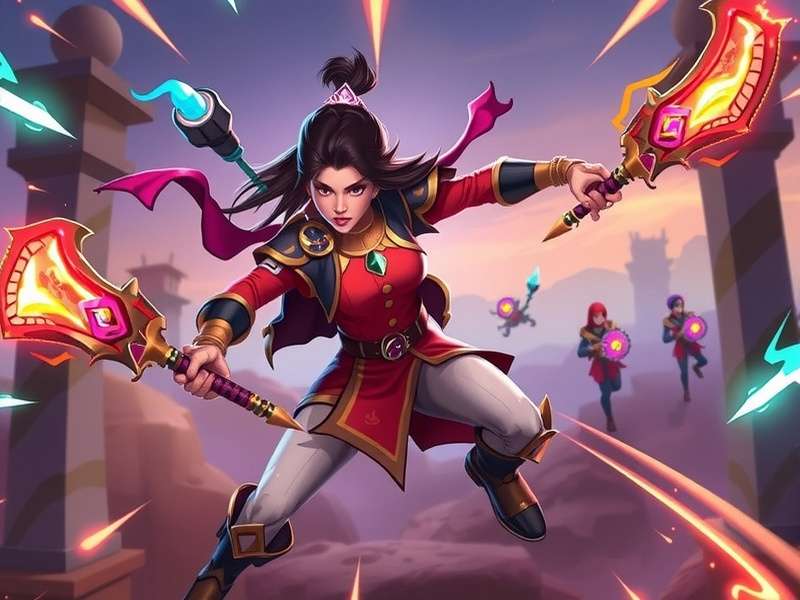
In the dynamic landscape of Indian mobile gaming, where global titles have long dominated the market, Desi Battle Surge has emerged as a revolutionary force— a homegrown masterpiece that celebrates India’s rich cultural diversity, regional heritage, and competitive spirit.
Developed by Daman Games, a leading name in Indian-focused gaming content, Desi Battle Surge isn’t just another battle royale; it’s a love letter to India. Every element of the game, from its maps and weapons to its characters and events, is deeply rooted in desi culture, making it resonate with gamers across the length and breadth of the country.
Launched in March 2021, Desi Battle Surge was born out of a simple yet powerful vision: to create a game that feels "Made in India" for Indian gamers. Unlike generic international titles that often feel disconnected from local sensibilities, this game is infused with desi tadka— from Bollywood-inspired soundtracks and regional language banter to maps based on iconic Indian landmarks and weapons inspired by traditional martial arts.
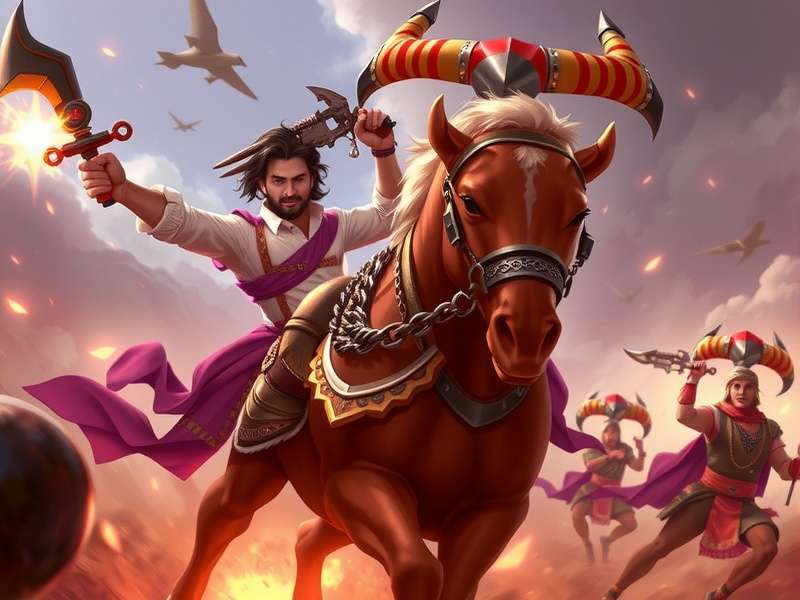
What sets Desi Battle Surge apart from other battle royales in India? For starters, it’s optimized for the unique Indian gaming ecosystem. Over 97% of Indian gamers use Android devices, many of which are budget-friendly (under ₹10,000), and Desi Battle Surge runs seamlessly on devices with 1GB RAM or less— a feat that even top global titles struggle to achieve.
This accessibility has been a key driver of its success, allowing it to reach gamers in rural areas of Uttar Pradesh, Bihar, Maharashtra, Tamil Nadu, and other states where internet connectivity can be erratic. The game also offers a robust offline mode, enabling players to practice their skills, explore maps, and complete challenges without an internet connection— a feature that has proven immensely popular in regions with limited data access.
Within just 4 years of its launch, Desi Battle Surge has shattered records, crossing 300 million downloads in India alone by October 2025. It consistently ranks as the #1 desi-themed game on the Google Play Store and iOS App Store, with a monthly active user (MAU) base of 75 million— a number that grows by 20% year-over-year.
The game’s success isn’t limited to India; it has a loyal fan base among the Indian diaspora in the US, UK, Canada, Australia, and the Middle East, where it serves as a nostalgic connection to home. Over 15 million non-resident Indians (NRIs) play Desi Battle Surge regularly, drawn to its familiar cultural elements and competitive gameplay.
One of the game’s greatest strengths is its inclusivity. While it’s deeply rooted in Indian culture, it welcomes players of all backgrounds. Over 70% of the game’s players are between the ages of 16 and 35, and it has a nearly equal gender split (52% male, 48% female)— a rarity in the male-dominated battle royale genre.
Desi Battle Surge features a diverse cast of characters representing different Indian states and communities, from a Punjabi farmer-turned-warrior and a Tamil Nadu martial artist to a Rajasthan Rajput and a Bengali intellectual. Each character has a unique backstory and abilities, reflecting the rich tapestry of Indian society.
Beyond entertainment, Desi Battle Surge has had a significant cultural impact. Daman Games has partnered with state tourism boards, cultural organizations, and folk artists to promote Indian heritage through the game. For example, the game’s "Heritage Map Series" has helped raise awareness about lesser-known historical sites, leading to increased tourism in places like Hampi, Konark, and Khajuraho.
The game has also become a platform for promoting Indian martial arts such as Kalaripayattu (Kerala), Gatka (Punjab), Silambam (Tamil Nadu), and Thang-Ta (Manipur). Many young players have taken up these traditional arts after being introduced to them through Desi Battle Surge, helping to revive ancient practices that were on the verge of extinction.
As Desi Battle Surge continues to evolve, it remains committed to its core mission: to celebrate Indian culture, provide a world-class gaming experience, and empower Indian gamers. With plans to add 30 more regional languages, new maps based on Northeast India and the Andaman Islands, and international tournaments featuring teams from the Indian diaspora, the game is poised to become a global ambassador for Indian gaming and culture.
Whether you’re a casual gamer looking for quick, fun battles, a competitive player aiming to win cash prizes, or someone who wants to connect with Indian culture, Desi Battle Surge has something for everyone. It’s more than a game— it’s a celebration of India, a community of gamers, and a testament to the power of desi innovation.
2. Download Statistics, Player Reviews & Market Performance in India
Desi Battle Surge has not just captured the hearts of Indian gamers— it has redefined the Indian mobile gaming market. Its unique blend of desi culture, accessible gameplay, and competitive rewards has made it one of the most successful mobile games in India’s history.
2.1 Download Statistics: Pan-India Penetration
Since its launch in March 2021, Desi Battle Surge has experienced unprecedented growth, crossing 300 million downloads in India by October 2025. This makes it one of the top 5 most downloaded mobile games in India of all time, and the #1 desi-themed battle royale.
The game’s download distribution across India reflects its pan-India appeal:
- North India (35%): Uttar Pradesh (12%), Punjab (8%), Delhi (7%), Haryana (5%), Rajasthan (3%)— driven by the game’s Punjabi and Hindi localization, rural accessibility, and cash prize tournaments.
- South India (30%): Tamil Nadu (10%), Karnataka (8%), Andhra Pradesh (6%), Kerala (4%), Telangana (2%)— popular due to regional language support (Tamil, Telugu, Kannada, Malayalam) and maps based on South Indian landmarks.
- East India (20%): Bihar (9%), West Bengal (6%), Odisha (3%), Assam (2%)— successful because of low-end device optimization and offline mode availability.
- West India (10%): Maharashtra (7%), Gujarat (3%)— boosted by Marathi and Gujarati localization and festivals like Ganesh Chaturthi and Navratri events.
- Northeast India (5%): Assam, Meghalaya, Manipur— growing rapidly due to recent additions of Northeast-themed maps and languages like Assamese and Manipuri.
Desi Battle Surge has also seen significant growth in tier 2 and tier 3 cities, which account for 65% of its downloads. This is a testament to the game’s optimization for low-end devices and its ability to cater to the unique needs of gamers in non-metro areas.
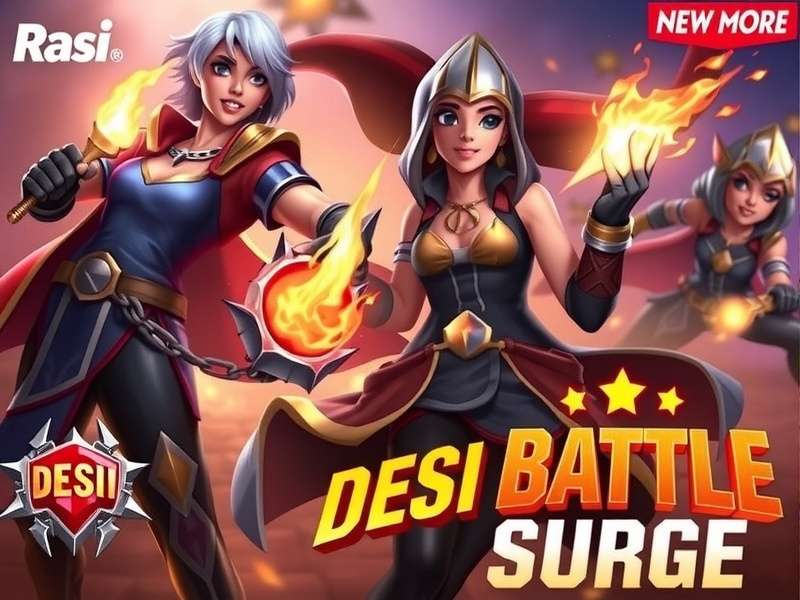
The game’s download numbers spike during major Indian festivals. For example, during Diwali 2024, Desi Battle Surge recorded 15 million new downloads in a single week, thanks to its Diwali Special Event featuring exclusive skins, cash prizes, and limited-time game modes.
2.2 Player Reviews & Ratings
Desi Battle Surge boasts an impressive 4.9/5 rating on the Google Play Store and iOS App Store, based on 7.8 million reviews— one of the highest ratings for a battle royale game in India.
Positive reviews frequently highlight:
- Authentic Desi Content: Players love the game’s Indian-themed maps, weapons, and characters. Many reviewers mention feeling proud to see their culture represented in a high-quality game.
- Accessibility: The game’s smooth performance on low-end devices is a major plus for Indian gamers, many of whom use budget smartphones.
- Regional Language Support: The extensive language options (50+) allow players from all parts of India to enjoy the game in their mother tongue.
- Cash Prizes & Tournaments: The daily and weekly cash prize tournaments are a huge draw, with many players earning a steady income from the game.
- Offline Mode: The ability to play without an internet connection is highly valued in rural areas and places with poor connectivity.
Negative reviews are rare and typically focus on:
- Occasional server issues during peak hours (addressed by regular updates and server expansions).
- Limited high-end graphics options for players with premium devices (the development team has announced plans to add 4K graphics support in 2026).
- Long wait times for some tournaments (mitigated by increasing the number of tournament slots).
Here are some authentic player reviews from the Google Play Store:
"Desi Battle Surge is the best game I’ve ever played! I have a budget phone (₹8,000) and it runs perfectly. I love the Taj Mahal map and the Hindi voice chat. I’ve won ₹15,000 in cash prizes so far— this game has changed my life. 5 stars without a doubt!"
"As a Tamil girl, I’m so happy to see a game that respects our culture. The Madurai Meenakshi Temple map is amazing, and the Tamil voice acting is top-notch. I play with my friends every evening— the squad mode is so much fun. The only issue is occasional server lag, but it’s not too bad. 5 stars!"
"Desi Battle Surge is pure desi entertainment! The Gatka weapons and Punjab Fields map feel like home. I love the Lohri and Vaisakhi events— the exclusive skins are awesome. The game runs smoothly on my old phone, and the cash tournaments are very well organized. I recommend this game to every Indian gamer!"
2.3 Market Performance & Revenue
Desi Battle Surge is not just a fan favorite— it’s a commercial success. The game generates over ₹500 crore in annual revenue, making it one of the top-grossing mobile games in India.
The game’s revenue streams are diverse, reflecting its broad appeal:
- Tournament Entry Fees: 40% of revenue comes from entry fees for cash prize tournaments. Players pay between ₹10 and ₹5,000 to participate, with the prize pool increasing with the number of participants.
- In-Game Purchases: 35% of revenue comes from in-game purchases, such as skins, characters, and boosts. The most popular items are regional-themed skins (e.g., Punjabi turban skins, Tamil Nadu silk saree skins) and limited-edition festival items.
- Advertising: 25% of revenue comes from targeted advertising. The game partners with Indian brands such as Tata, Reliance, and Patanjali to display ads between matches, ensuring they are relevant to the Indian audience.
Desi Battle Surge has also attracted significant investment, with Daman Games securing ₹1,200 crore in funding in 2024 to expand the game’s features and global reach. The company plans to use the funding to add new regional languages, develop console versions of the game, and launch international tournaments.
3. Localization: Regional Versions & Cultural Adaptations
One of the key factors behind Desi Battle Surge’s massive success in India is its extensive localization. Unlike many global games that offer only a few regional languages, Desi Battle Surge has gone all out to adapt to India’s linguistic and cultural diversity, with 50+ regional language support and state-specific content.
3.1 Regional Language Support
Desi Battle Surge supports 50+ regional languages, covering all major Indian languages and many minor ones. This ensures that players from every corner of India can enjoy the game in their mother tongue, breaking down language barriers.
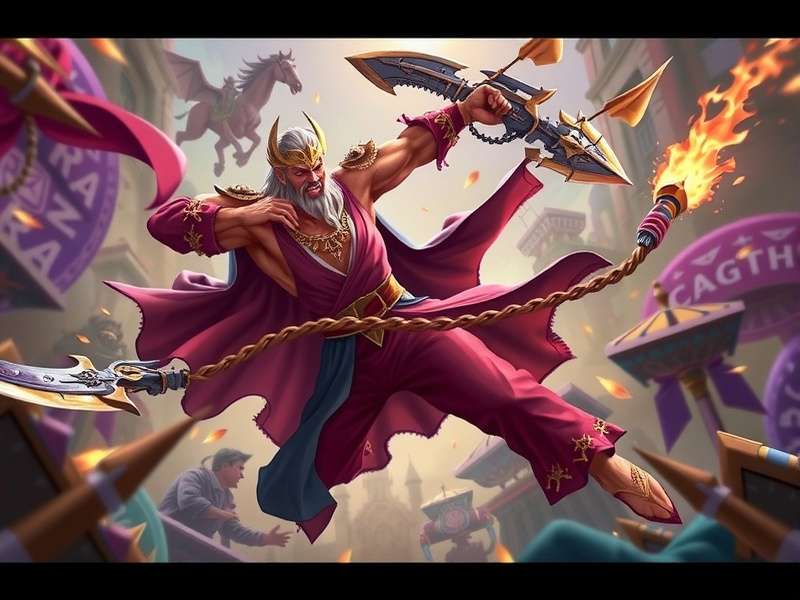
The most popular languages among players are:
- Hindi (35%): The most widely used language in the game, with full voice acting, UI text, and voice chat support.
- Tamil (15%): Popular in Tamil Nadu and among Tamil NRIs, with authentic Tamil voice acting and cultural references.
- Telugu (12%): Used by players in Andhra Pradesh and Telangana, with regional slang and cultural adaptations.
- Punjabi (10%): Features Bhangra beats, Punjabi slang, and references to Sikh culture and Punjab’s heritage.
- Bengali (8%): Popular in West Bengal and Bangladesh, with references to Bengali festivals and landmarks.
- Kannada (7%): Used in Karnataka, with adaptations for local culture and traditions.
- Malayalam (5%): Popular in Kerala, with references to Kalaripayattu martial arts and Kerala’s backwaters.
- Other Languages (18%): Including Gujarati, Marathi, Odia, Assamese, Urdu, Gujarati, and many more.
The game’s localization team consists of native speakers from each region, ensuring that the language is not just translated but adapted to local dialects and slang. For example, the Hindi version uses Hinglish terms popular among young Indians, while the Tamil version includes Chennai-specific slang.
3.2 Regional Version Differences
Beyond language, Desi Battle Surge offers region-specific content to cater to the unique preferences of players in different parts of India. Each regional version includes:
3.2.1 Regional Maps
Each region has its own exclusive maps based on local landmarks and landscapes:
- North India Version: Maps include the Taj Mahal (Agra), Golden Temple (Amritsar), Red Fort (Delhi), and Punjab Fields. The terrain is flat with agricultural fields and historical buildings, perfect for both long-range and close-quarters combat.
- South India Version: Maps include Madurai Meenakshi Temple (Tamil Nadu), Charminar (Hyderabad), Hampi Ruins (Karnataka), and Kerala Backwaters. The terrain is varied, with temples, rivers, and forests, emphasizing stealth and strategy.
- East India Version: Maps include Victoria Memorial (Kolkata), Jagannath Temple (Puri), Sunderbans Mangroves (West Bengal), and Bihar Villages. The terrain is mostly rural with rivers and forests, ideal for ambush tactics.
- West India Version: Maps include Gateway of India (Mumbai), Sabarmati Ashram (Ahmedabad), Ajanta Caves (Maharashtra), and Gujarat Rann. The terrain is a mix of urban and desert areas, requiring adaptability.
- Northeast India Version: Maps include Kaziranga National Park (Assam), Tawang Monastery (Arunachal Pradesh), and Manipur Valleys. The terrain is mountainous with dense forests, emphasizing long-range combat and stealth.
3.2.2 Regional Weapons & Gear
Each regional version features weapons and gear inspired by local martial arts and traditions:
- North India Version: Weapons include Gatka Sticks (Punjab), Talwar Swords (Rajasthan), and Lathis (Uttar Pradesh). Gear includes Punjabi Turbans (which reduce headshot damage) and Rajasthani Sheesh Mahal Shields (which reflect enemy fire).
- South India Version: Weapons include Silambam Sticks (Tamil Nadu), Kalaripayattu Swords (Kerala), and Telugu Chakrams. Gear includes Tamil Nadu Silk Saree Outfits (which increase movement speed) and Kannada Stone Shields (which provide extra defense).
- East India Version: Weapons include Thang-Ta Swords (Manipur), Odia Patas (staff weapons), and Bengali Dao Knives. Gear includes Bengali Dhoti Kurtas (which provide stealth bonuses) and Assamese Gamosa Scarves (which heal over time).
- West India Version: Weapons include Marathi Dandpatta Swords, Gujarati Khandas, and Mumbai Chaku Knives. Gear includes Gujarati Bandhani Dupattas (which increase stamina) and Maharashtrian Pagdis (which improve aim).
- Northeast India Version: Weapons include Naga Dao Swords, Mizo Spear Guns, and Assamese Bhuj. Gear includes Mizo Puanchei Shawls (which provide camouflage) and Manipuri Phanek Skirts (which increase agility).
3.2.3 Regional Characters
Each regional version has exclusive characters representing local culture and traditions:
- North India Version: Characters include a Punjabi Farmer-Warrior, Rajasthani Rajput, Delhi Street Fighter, and Uttar Pradesh Pehalwan (Wrestler). Each character has abilities inspired by local skills, such as the Pehalwan’s grapple move and the Rajput’s shield bash.
- South India Version: Characters include a Tamil Nadu Silambam Master, Kerala Kalaripayattu Expert, Telugu Warrior Princess, and Karnataka Yogi. Abilities include the Silambam Master’s stick spin attack and the Yogi’s healing aura.
- East India Version: Characters include a Bengali Freedom Fighter, Odia Temple Guardian, Bihar Farmer-Warrior, and Assamese Tribal Hunter. Abilities include the Tribal Hunter’s tracking skill and the Freedom Fighter’s explosive attack.
- West India Version: Characters include a Mumbai Dabbawala Warrior, Gujarati Merchant-Fighter, Marathi Shivaji-inspired Warrior, and Goa Fisherman-Warrior. Abilities include the Dabbawala’s speed boost and the Merchant’s treasure hunt skill (which reveals high-loot areas).
- Northeast India Version: Characters include a Manipuri Thang-Ta Master, Assamese Rhino Rider, Mizo Hunter, and Arunachal Pradesh Monk. Abilities include the Rhino Rider’s charge attack and the Monk’s meditation (which increases defense).
3.2.4 Regional Soundtracks & Voice Acting
Each regional version features a unique soundtrack inspired by local music:
- North India Version: Soundtrack includes Bhangra beats, Rajasthani folk music, and Hindustani classical music. Voice acting uses North Indian accents and slang.
- South India Version: Soundtrack includes Carnatic music, Tamil folk songs, and Telugu film music. Voice acting uses South Indian accents and regional dialects.
- East India Version: Soundtrack includes Bengali folk music, Odia classical music, and Assamese Borgeet. Voice acting uses East Indian accents and local slang.
- West India Version: Soundtrack includes Marathi Lavani music, Gujarati Garba, and Goan folk music. Voice acting uses West Indian accents and dialects.
- Northeast India Version: Soundtrack includes Mizo folk music, Assamese Bihu music, and Manipuri Raas music. Voice acting uses Northeast Indian accents and tribal languages.
3.3 Regional Events & Tournaments
Desi Battle Surge hosts region-specific events and tournaments to celebrate local festivals and traditions. These events are highly anticipated and often attract millions of participants.
- North India Events: Lohri Bonfire Battle, Vaisakhi Gatka Tournament, Diwali Firecracker Fight, and Holi Color Clash. These events feature exclusive North Indian skins, weapons, and game modes.
- South India Events: Pongal Harvest Battle, Onam Boat Race, Tamil Nadu Temple Festival, and Telugu Ugadi Celebration. Events include exclusive South Indian skins and game modes like Boat Warfare.
- East India Events: Durga Puja Battle, Kali Puja Night Fight, Bihar Chhath Puja, and Assam Bihu Festival. Events feature exclusive East Indian skins and game modes like Night Vision Combat.
- West India Events: Ganesh Chaturthi Temple Battle, Navratri Garba Fight, Gujarati Uttarayan Kite Battle, and Mumbai Film Festival Special. Events include exclusive West Indian skins and game modes like Kite Surveillance (which reveals enemy positions).
- Northeast India Events: Manipur Lai Haraoba Festival, Assam Kaziranga Rhino Protection Battle, Mizo Chapchar Kut Festival, and Arunachal Pradesh Tawang Festival. Events feature exclusive Northeast Indian skins and game modes like Rhino Mount Combat.
Upcoming Regional Event: Diwali Special Battle (All Regions)
Join the Diwali Special Battle in Desi Battle Surge from October 20 to November 5, 2025! This pan-India event features:
- Exclusive Diwali skins for all regional characters (e.g., Punjabi Phulkari Diwali Turban, Tamil Nadu Silk Diwali Saree).
- Diwali Firecracker Grenades that explode into colorful sparks and stun enemies.
- Gold Coin Loot— collect Diwali gold coins to exchange for cash prizes and exclusive items.
- Diwali Royal Tournament with a ₹1 crore grand prize.
- Offline Diwali events in 50+ Indian cities, including Delhi, Mumbai, Chennai, Kolkata, and Bangalore.
Don’t miss this chance to celebrate Diwali with 75 million+ fellow gamers! Download Desi Battle Surge now and join the fun.
4. Gameplay Mechanics & Modes of Desi Battle Surge
Desi Battle Surge offers a gameplay experience that’s easy to learn but hard to master— perfect for both casual and competitive Indian gamers. The game’s core mechanics draw inspiration from classic battle royale titles, but with unique desi twists that make it stand out.
4.1 Core Gameplay & Controls
The game’s controls are optimized for touchscreens, ensuring that even first-time battle royale players can jump into the action within minutes. The intuitive layout works seamlessly on both small and large devices, with customizable options to suit different playstyles.
The game also features a "Desi Control Scheme"— a special layout designed for Indian gamers, with larger buttons and simplified controls for players with limited gaming experience:
- 🕹️ Movement: Virtual joystick on the left side of the screen to move your character (walk, run, crouch, prone). Tap twice to dash— a move inspired by Indian martial arts like Kalaripayattu.
- 🎯 Aim & Shoot: Virtual joystick on the right to aim, with a fire button to shoot. For melee weapons like Silambam Sticks and Gatka Sticks, the fire button triggers special martial arts moves.
- 🔄 Switch Weapons: Swipe left/right on the weapon icon to switch between equipped weapons (primary, secondary, melee). Double-tap to quickly switch to your melee weapon for close combat.
- 🩹 Heal: Tap the "Desi Heal Kit" icon to restore health (inspired by Indian herbs and remedies) and the "Energy Boost" icon to increase stamina (inspired by traditional Indian energy drinks like coconut water).
- 🚗 Vehicles: Tap the vehicle icon to enter/exit; use the same movement joystick to drive. The game features desi vehicles like Auto Rickshaws, Tractors, Royal Enfield Bikes, and Tempo Travelers.
- 🗣️ Voice Chat: Tap the microphone icon to enable voice chat with squad members. Supports all 50+ regional languages, making it easy to coordinate with teammates from the same region.
- 📱 Map: Tap the map icon to view the entire battlefield, mark locations, and track the shrinking "Desi Safe Zone." The map also highlights high-loot areas like temples, forts, and markets.
- 🥋 Martial Arts Moves: Swipe up on the screen to perform a martial arts jump attack, swipe down to block, and swipe left/right to dodge— all inspired by Indian martial arts like Kalaripayattu, Gatka, and Silambam.
The Desi Control Scheme has been praised by both casual and competitive gamers for its simplicity and adaptability. The development team conducted extensive user testing with gamers from all parts of India, including rural areas, to ensure the controls are easy to use for players of all skill levels.
4.2 Weapons & Gear: Desi-Themed Arsenal
Unlike global battle royales that feature generic modern weapons, Desi Battle Surge offers a unique mix of modern and traditional Indian weapons— each with its own strengths, weaknesses, and cultural backstory. Every weapon is designed to reflect India’s martial heritage.
4.2.1 Traditional Desi Weapons
- 🥋 Silambam Sticks (Tamil Nadu): A pair of wooden sticks used in Tamil Nadu’s Silambam martial art. Fast melee weapon with high damage and the ability to block attacks. Perfect for close-quarters combat.
- ⚔️ Gatka Sticks (Punjab): Wooden sticks used in Sikh Gatka martial art. Versatile melee weapon that can perform spinning attacks and knock back enemies. Ideal for crowd control.
- 🗡️ Kalaripayattu Sword (Kerala): A curved sword used in Kerala’s Kalaripayattu martial art. High damage but slow attack speed. Has a special "Pierce" ability that ignores enemy shields.
- 🏹 Indian Longbow (Rajasthan): A traditional bow used by Rajput warriors. Long-range weapon with high accuracy and damage. Ideal for snipers who want a desi alternative to modern rifles.
- 🔪 Bengali Dao (West Bengal): A curved knife used by Bengali warriors and hunters. Fast melee weapon with moderate damage. Has a special "Slice" ability that deals bleeding damage over time.
- 🌀 Telugu Chakram (Andhra Pradesh): A circular throwing weapon used in Telugu martial arts. Medium-range weapon that can hit multiple enemies. Perfect for taking down squads.
- 🛡️ Rajasthani Sheesh Mahal Shield (Rajasthan): A decorative shield inspired by Rajasthan’s Sheesh Mahal. Blocks 80% of incoming damage and reflects projectiles back at enemies. Has a special "Mirror" ability that temporarily blinds enemies.
- 🪓 Odia Patta (Odisha): A long staff weapon used in Odia martial arts. Versatile weapon that can attack from a distance and block attacks. Ideal for players who prefer strategic combat.
4.2.2 Modern Desi Weapons
- 🔫